

Are EVs really worth it if you don’t have a home charger?
Thinking about an EV without a home charger? Explore the impact on convenience, charging costs, and the overall ownership experience.

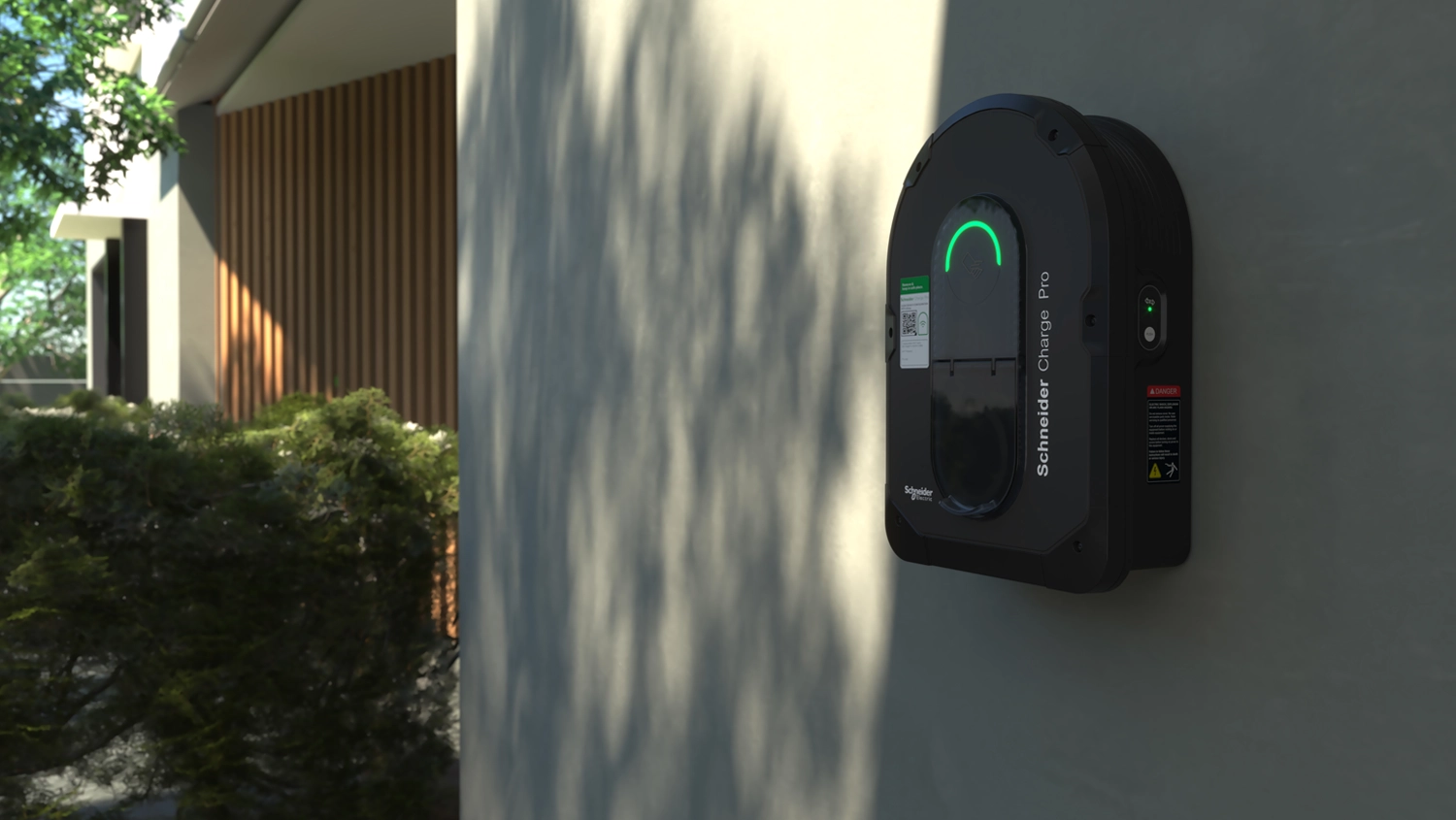
While it’s entirely possible to own an electric vehicle without a home charger, the experience is often very different. This article explores the trade-offs between public and home charging, comparing convenience, costs, and long-term value. It also examines how rooftop solar and smart home charging solutions can reduce running costs and simplify daily life, helping prospective EV owners decide whether a dedicated home charger is a worthwhile investment.
Charging at home vs. charging outside
Picture this. You’ve just finished work, the battery is getting low and instead of heading straight home you’re checking charging apps, wondering whether the charger near the shops is available, working, or already occupied. Meanwhile, your mate with a home charger is already at home, plugged in and not thinking about charging at all.
That’s the difference.
The question isn’t whether an EV can work without a home charger. It absolutely can. The real question is whether you’re getting the ownership experience that made EVs appealing in the first place.
Key takeaways
- Home charging removes charging from your daily to-do list.
- Public charging can work, but it requires planning and flexibility.
- Charging from rooftop solar can dramatically reduce the cost of EV ownership.
- Low feed-in tariffs often make charging your EV a better use of solar energy than exporting it to the grid.
- Many EV owners consider home charging the single biggest convenience benefit of EV ownership.
Yes, an EV can work without a home charger
Thousands of Australians own EVs without having a dedicated charger at home. Some rely on workplace charging. Others charge while shopping, exercising, or visiting places they already use during the week.
If your routine naturally places you near reliable charging infrastructure, an EV can fit into your life quite comfortably. You may never feel the need to install a charger at home.
The challenge is that your vehicle’s energy supply becomes dependent on external infrastructure rather than your own routine.
Public charging changes the ownership experience
The biggest difference is the amount of thought required.
When you charge at home, charging happens while you sleep. When you depend on public charging, charging becomes something you actively manage.
You need to think about charger availability, charging times, travel distance to the charger, and the possibility that a charger may be unavailable when you arrive.
For some drivers this isn’t a major issue. For others, particularly those with busy schedules, it quickly becomes an inconvenience that wasn’t part of the sales brochure.
Public fast charging can become expensive
Cost is another factor that surprises many new EV owners.
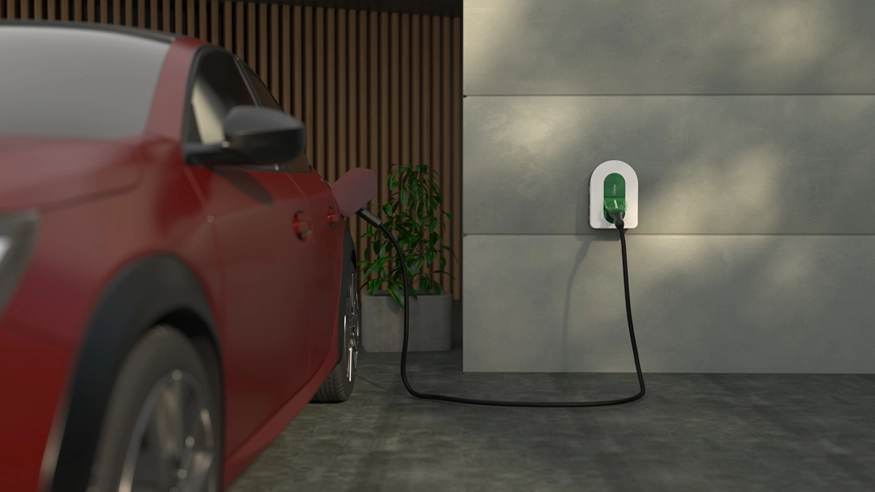
One of the major advantages of EV ownership is access to low-cost residential electricity. When most charging happens at home, drivers can often enjoy significantly lower running costs compared with petrol vehicles. Some electricity plans can offer rates as low as $0.08 per kWh when charging at night, which means $4.80 to fill up a 60kWh battery and provide approximately 375Km range.
Without a home charger, many drivers become more dependent on public fast charging networks. The convenience is excellent, but the costs can be considerably higher than charging at home. Public fast charging networks typically charge around $0.60 per kWh at any times, which means $36.00 to fill up that same 60kWh battery.
That’s why many experienced EV owners don’t compare home charging against petrol. They compare public charging against home charging.
Home charging is the real superpower
The feature most EV owners rave about isn’t acceleration, technology, or giant touchscreens.
It’s waking up every morning with a charged vehicle.
That sounds simple, but it fundamentally changes how you think about driving. Instead of making special trips to refuel, your vehicle replenishes itself while you’re parked at home.
The best home charging solutions take this even further by providing smart charging, load management and remote monitoring capabilities that help optimise charging and energy use around your household.
Your roof can become your fuel station
For Australian EV owners with rooftop solar, home charging unlocks another benefit that public charging simply can’t match.
Instead of sending excess solar generation back to the grid, you can direct that energy into your vehicle. On sunny days, your EV can effectively be charged using electricity generated on your own roof.
Many EV owners already think of their car as a battery on wheels. When paired with solar, the relationship becomes even more powerful. The kilometres you drive tomorrow can be powered by the sunshine captured today.
Some households generate enough surplus solar during the day to add a substantial amount of driving range without importing electricity from the grid. On particularly good solar days, it can feel like getting a free full charge.
The installation cost is real, but so is the value
Installing a dedicated home charger isn’t free.
Depending on your property and electrical setup, installation can require additional electrical work, new circuits, or switchboard upgrades. For some Australians, that’s enough reason to delay the investment.
The better way to assess the decision is not simply by looking at installation cost.
Think about the hours you’ll spend travelling to chargers, waiting for charging sessions to finish, adjusting plans around charger availability, dealing with charging apps and paying premium for kWh.
For many households, the real value comes from convenience and time saved.
Modern chargers do much more than supply power
A home charger today is far more capable than a basic power outlet.
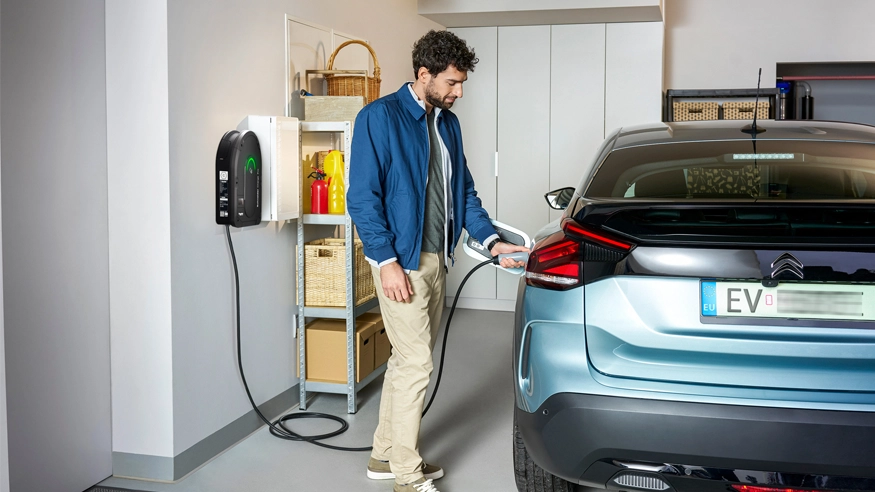
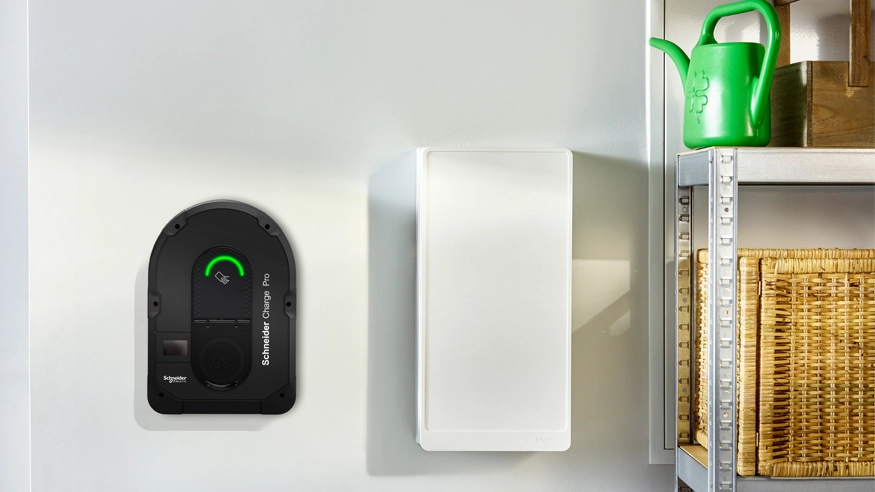
Products such as Schneider Charge and Schneider Charge Pro include features such as smart charging, load management, communication capabilities, user authentication, metering, software updates and remote monitoring.
These features may not seem important on day one, but they become increasingly valuable as households add additional EVs, solar systems, batteries or more complex energy requirements.
Who should buy an EV without a home charger?
An EV can still be a great choice if:
- You have reliable workplace charging.
- You regularly visit locations with dependable chargers.
- Your weekly driving distance is predictable.
- You have a charging routine that already fits your lifestyle.
You may want to think more carefully if:
- Public chargers are limited in your area.
- You frequently drive long distances.
- You dislike planning around infrastructure.
- Charging availability regularly causes stress.
The bottom line
Are EVs worth it if you don’t have a home charger?
Yes. But they’re usually worth it more when you can pair with a home charger.
The biggest benefit of EV ownership isn’t just lower running costs or advanced technology. It’s convenience. It’s finishing your day, plugging in and never needing to think about charging.
Add rooftop solar into the mix and the benefits become even more compelling. Rather than exporting energy for a modest feed-in tariff, you can use that electricity to power the kilometres you drive every day.
If you can install a home charger, you’ll likely unlock the ownership experience that convinced many drivers to switch in the first place. If you can’t, an EV may still work brilliantly, but you’ll need a charging routine that fits your lifestyle which may involve public infrastructure or a very slow 10A power point in your garage.
Get started with Clipsal home EV charging
If you’re considering a home charging solution, explore the range of residential EV chargers available from Clipsal.
Explore more resources

My Home Enhancer
Start planning with our My Home Enhancer tool. Simply answer a few questions to get recommendations and customised electric design service advice based on your build’s budget, size, and style.

Discover Electric Home Design
Building or renovating? Discover how to create a smart, stylish, safe and sustainable home that sets you up for life.

Explore our inspiring home Case Studies
See how others have brought their dream homes to life with Electric Home Design.

Electric Home Design Magazine
Sign up to download a free copy of our inspiration magazine, packed with and advice on everything you need to know about Electric Home Design.